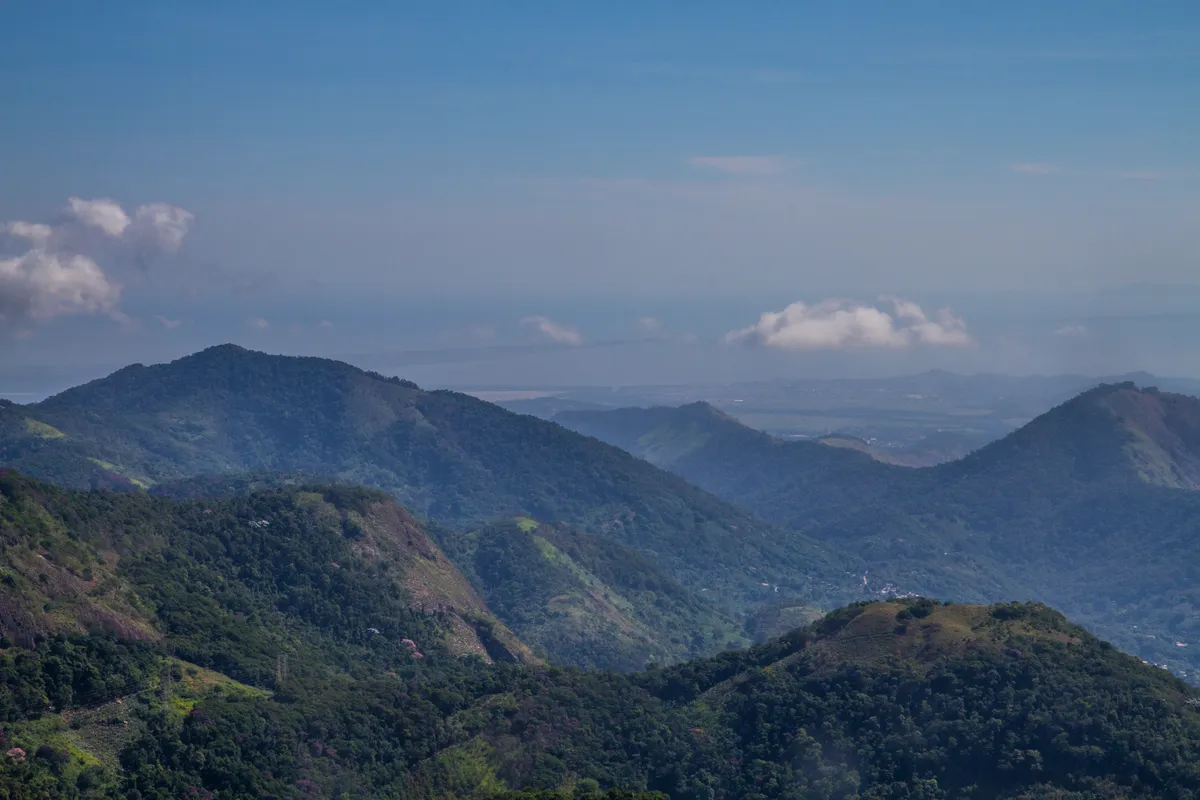
Trecho 07 - Pau-da-Fome x Piraquara
Description
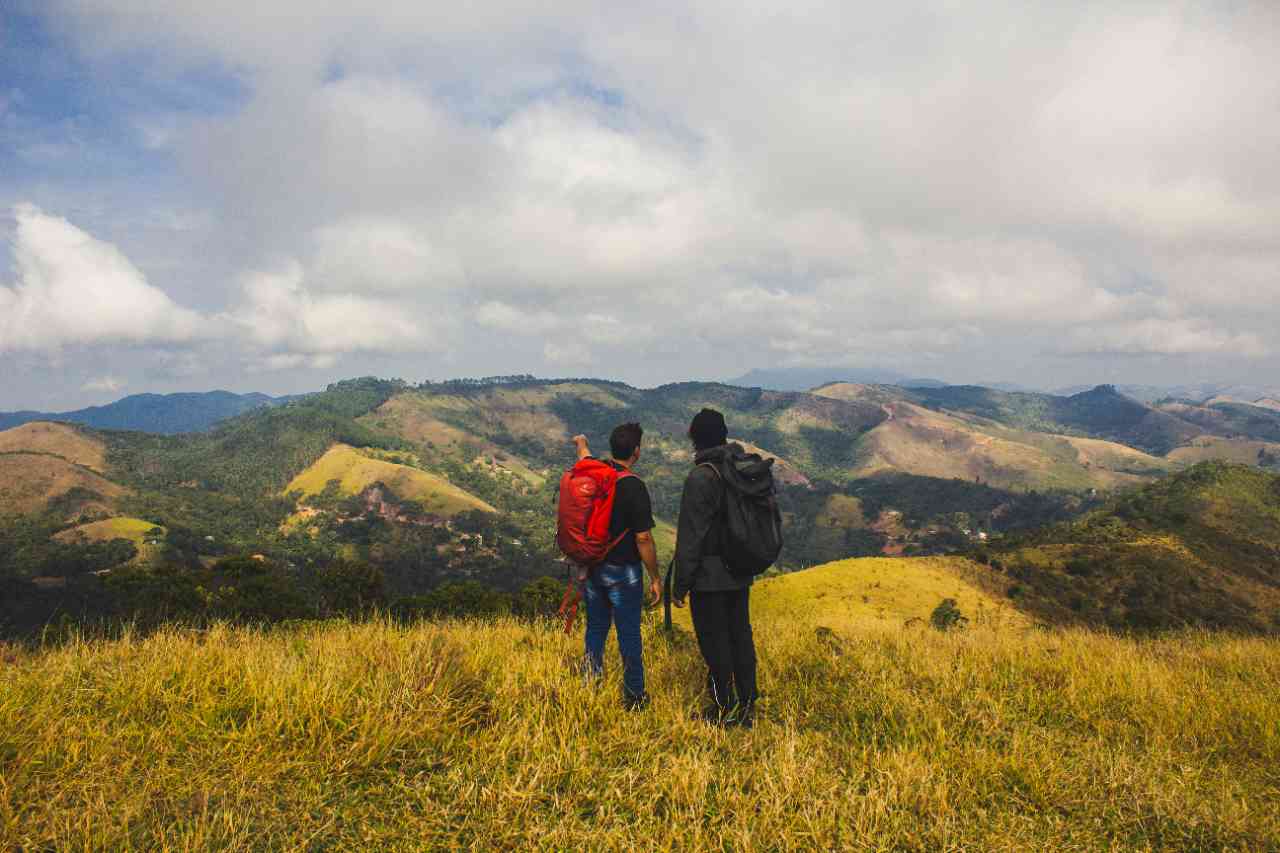
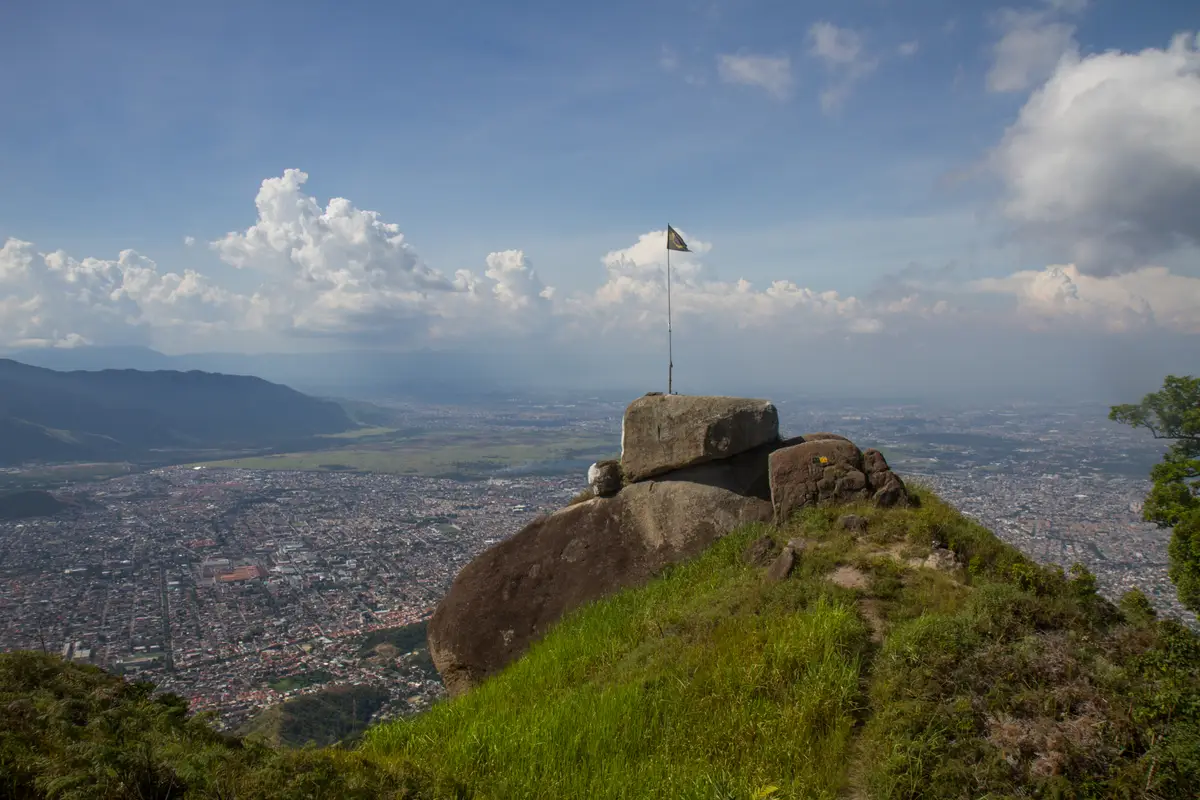
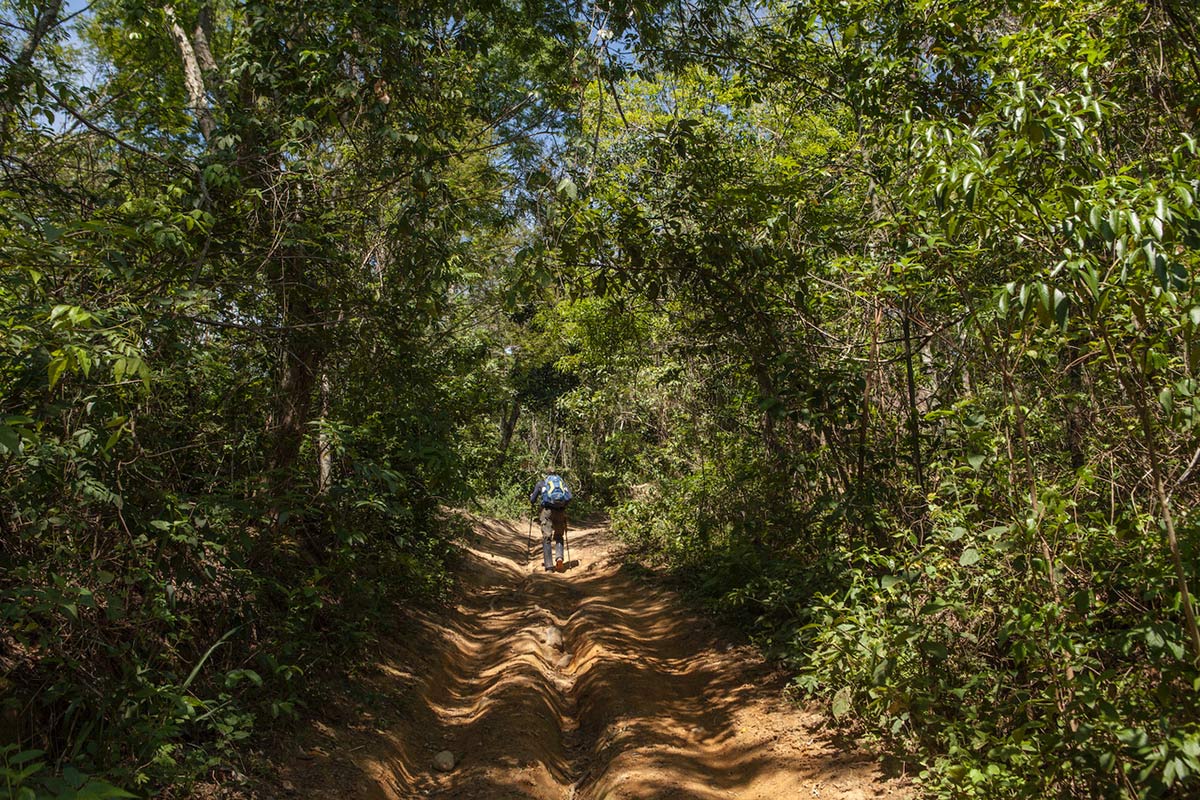
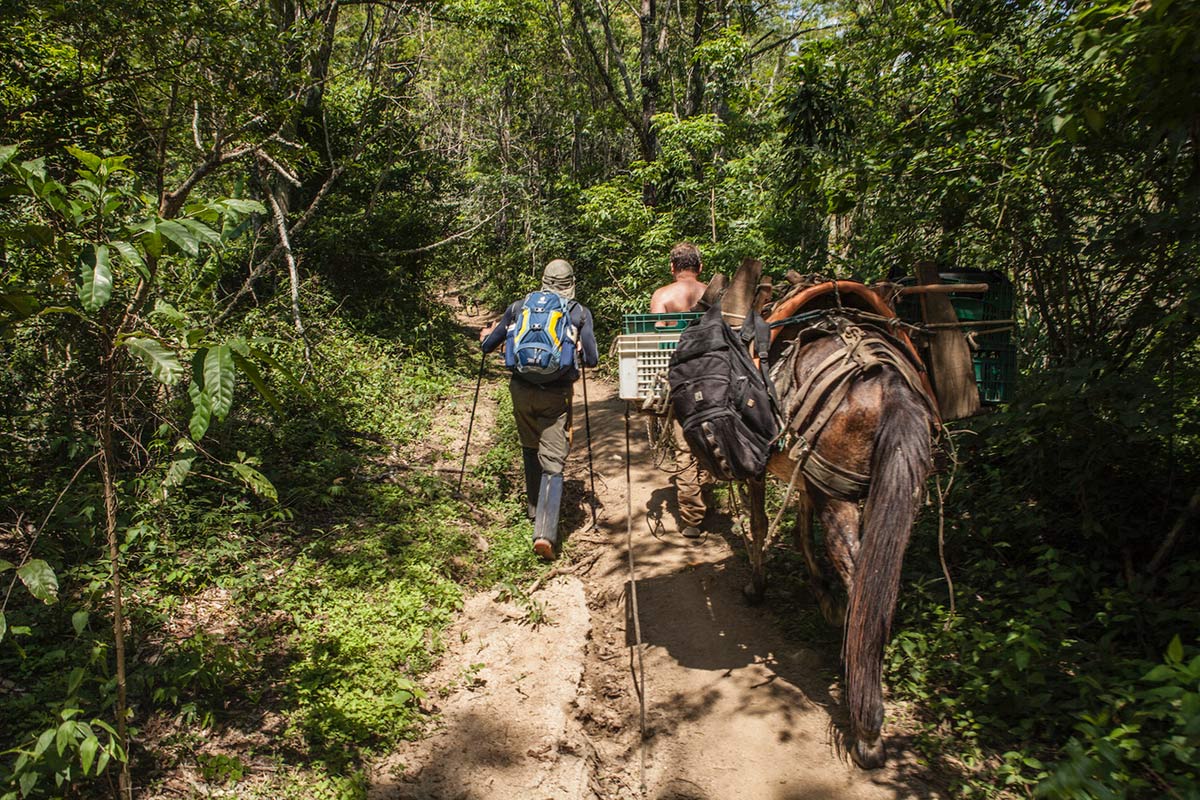
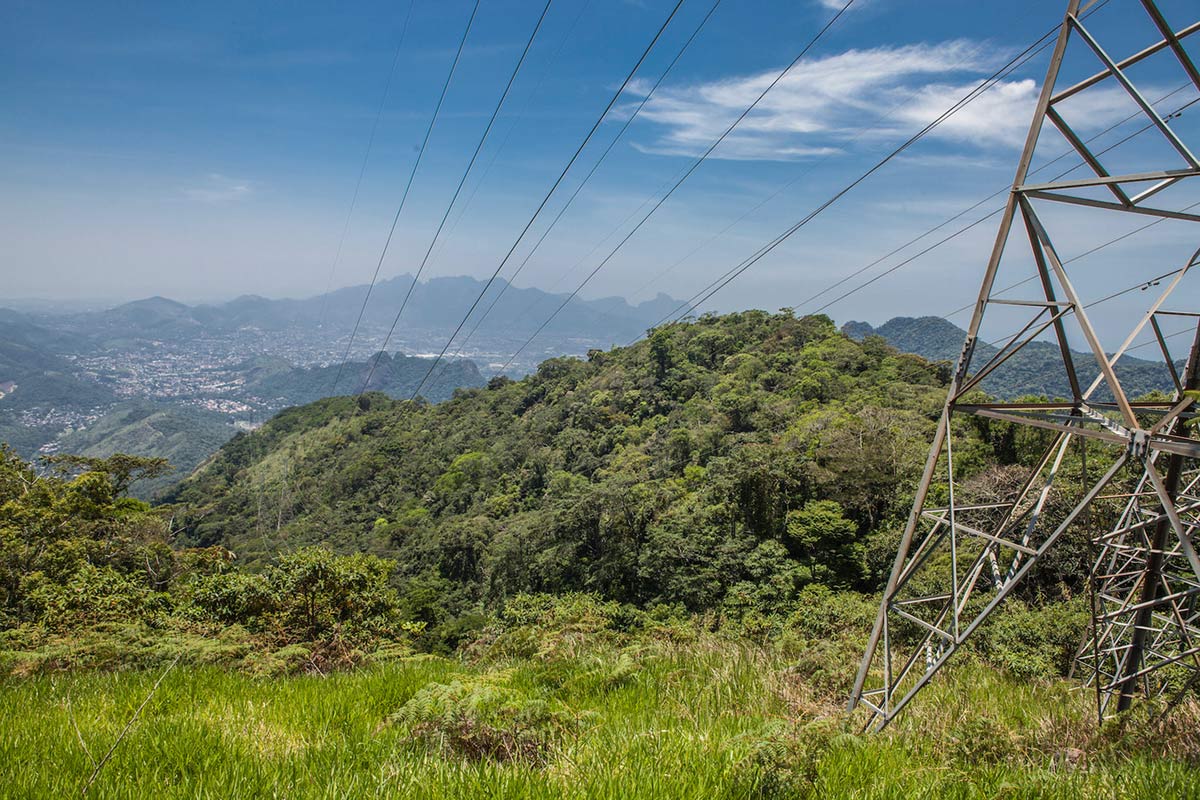
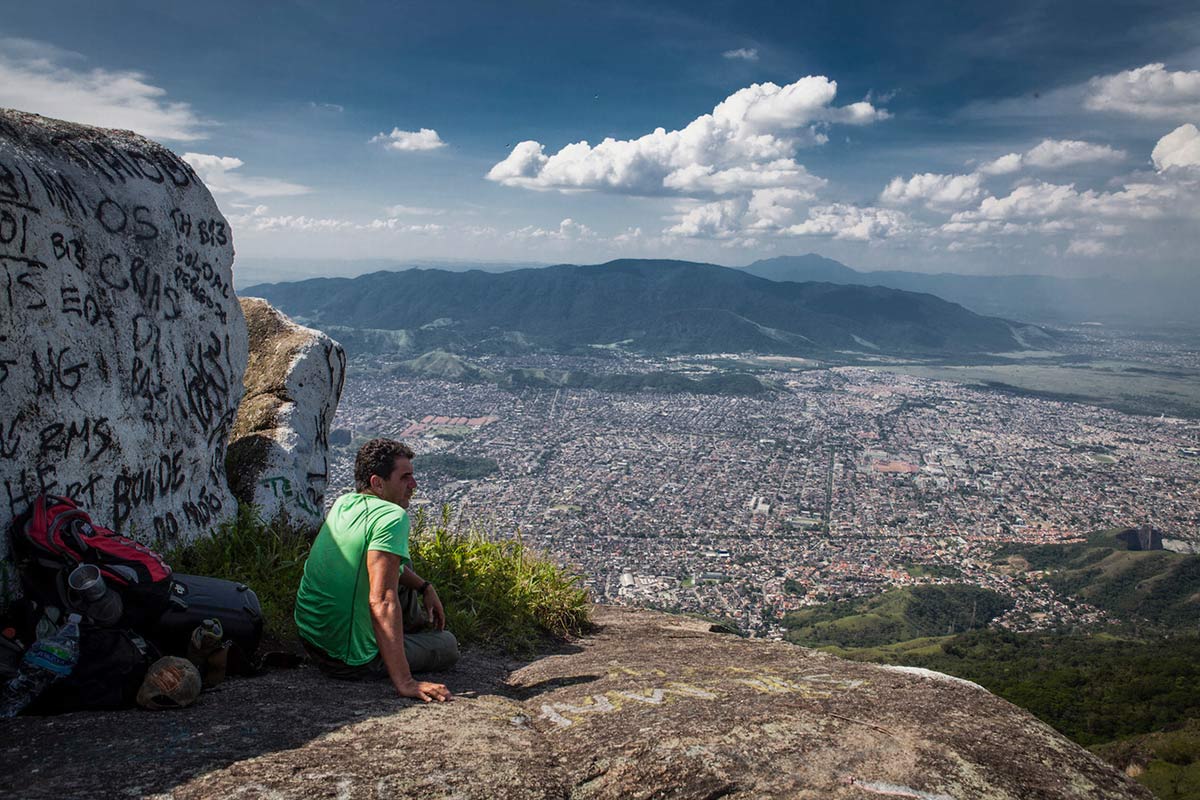
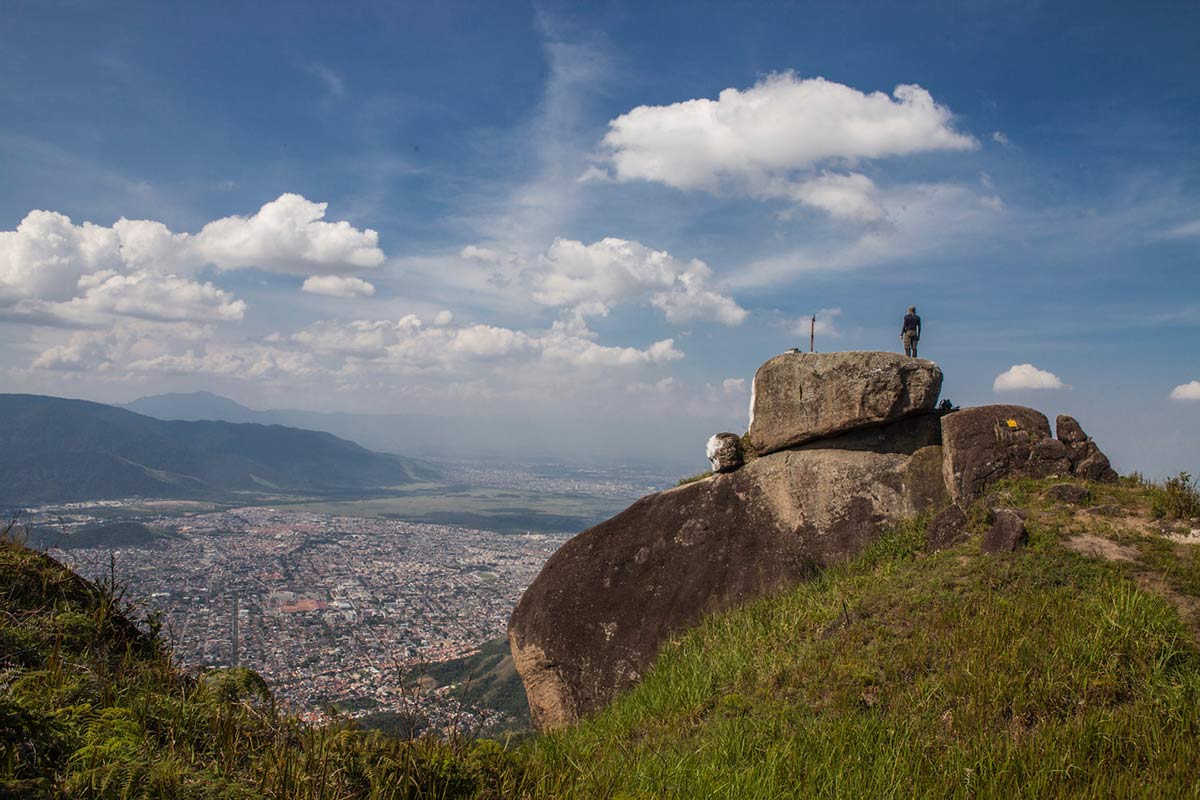
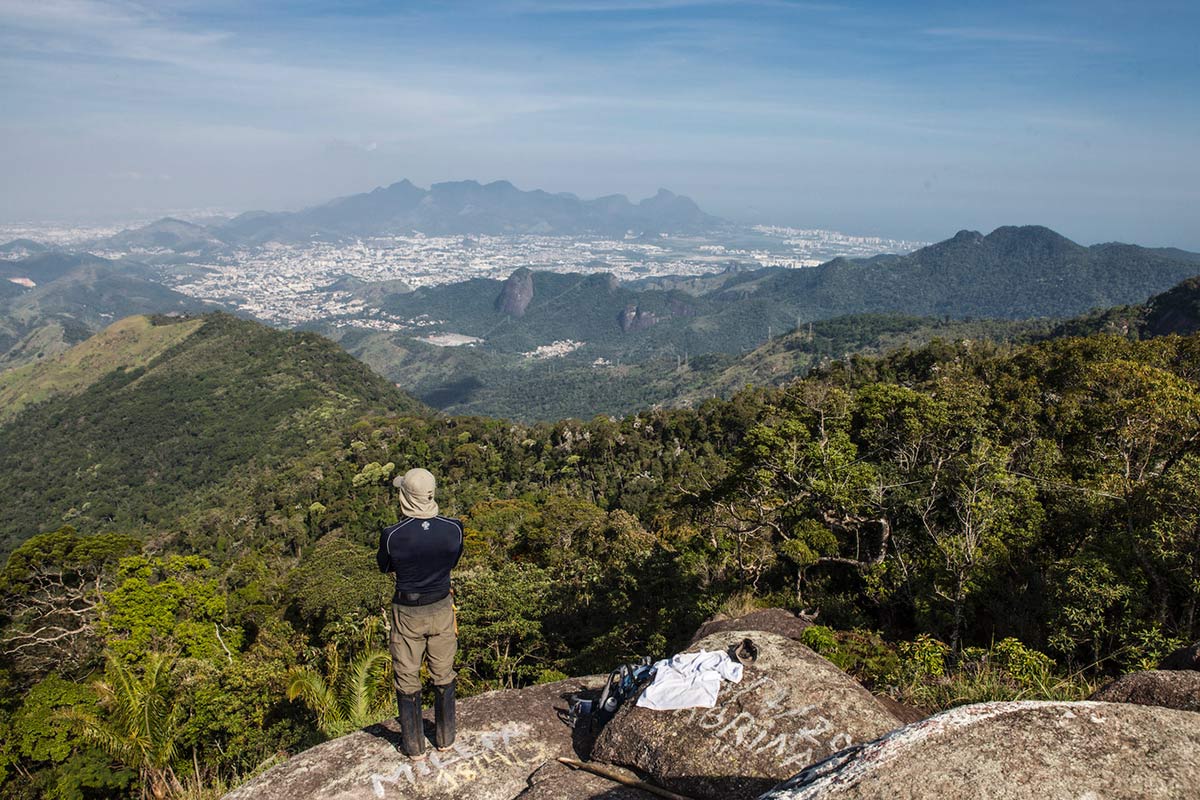
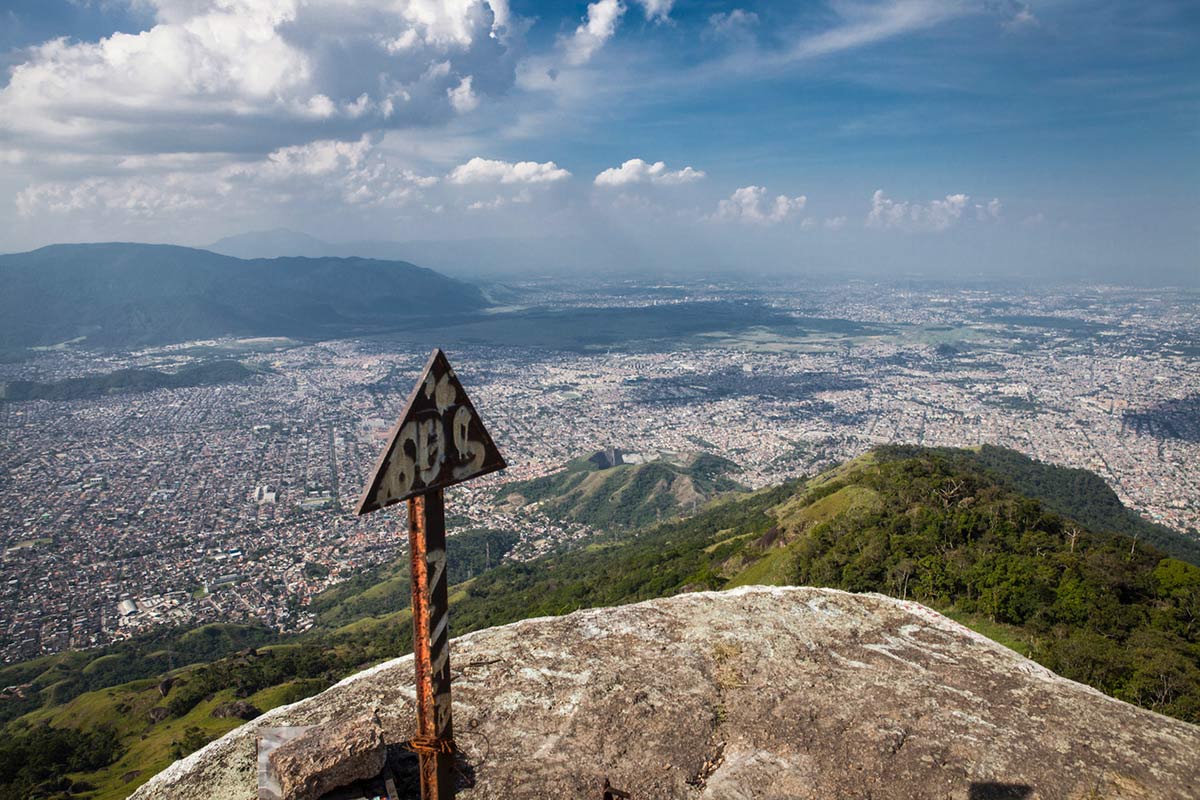
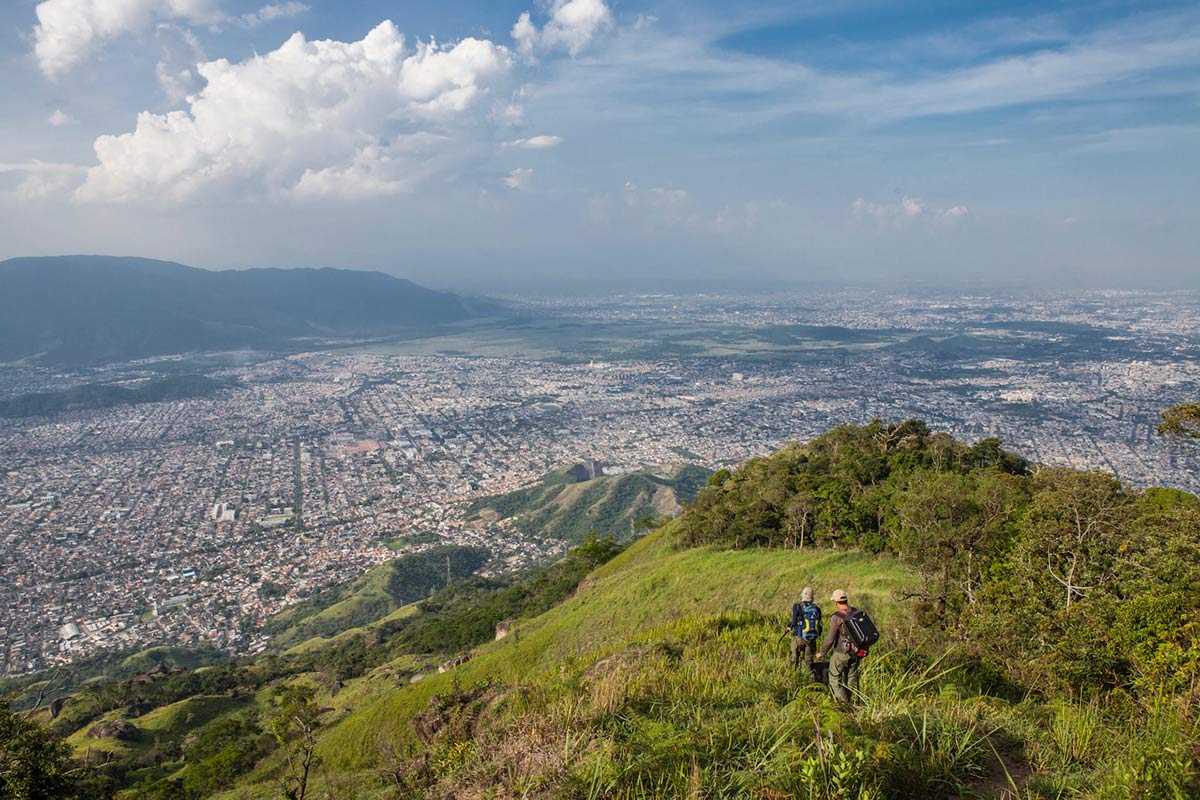
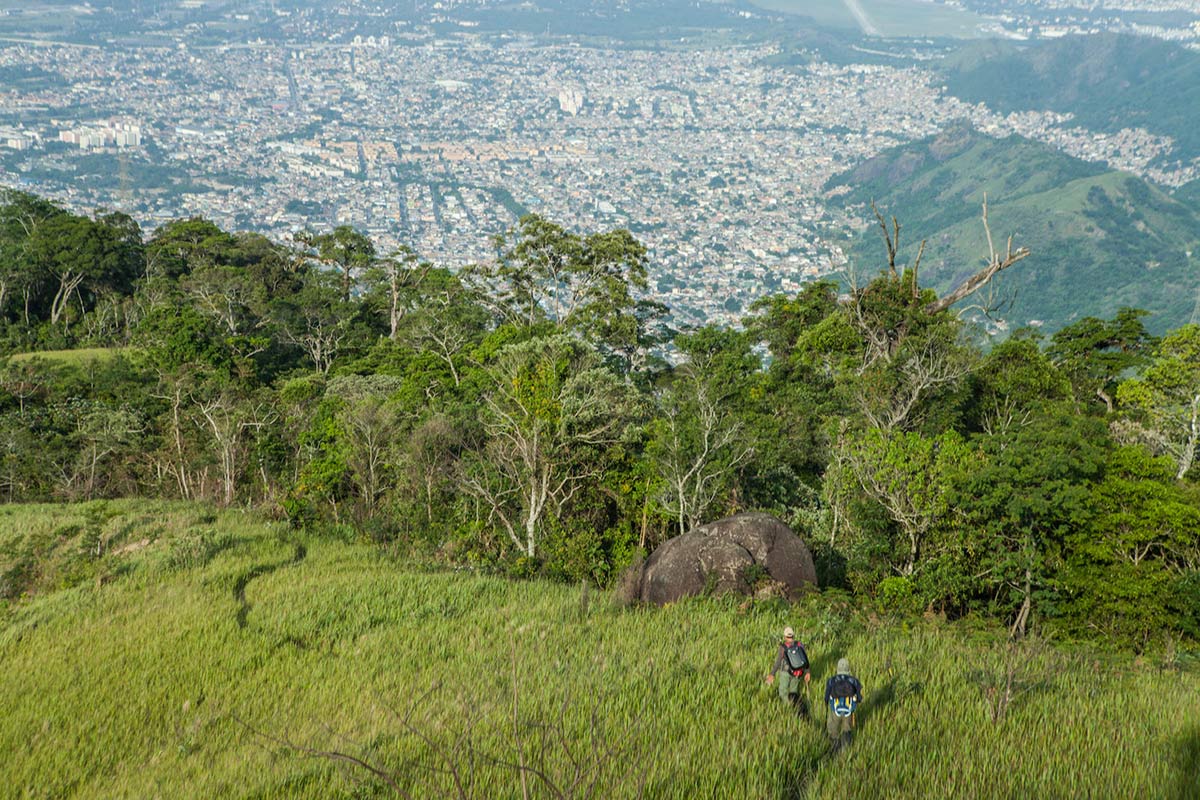
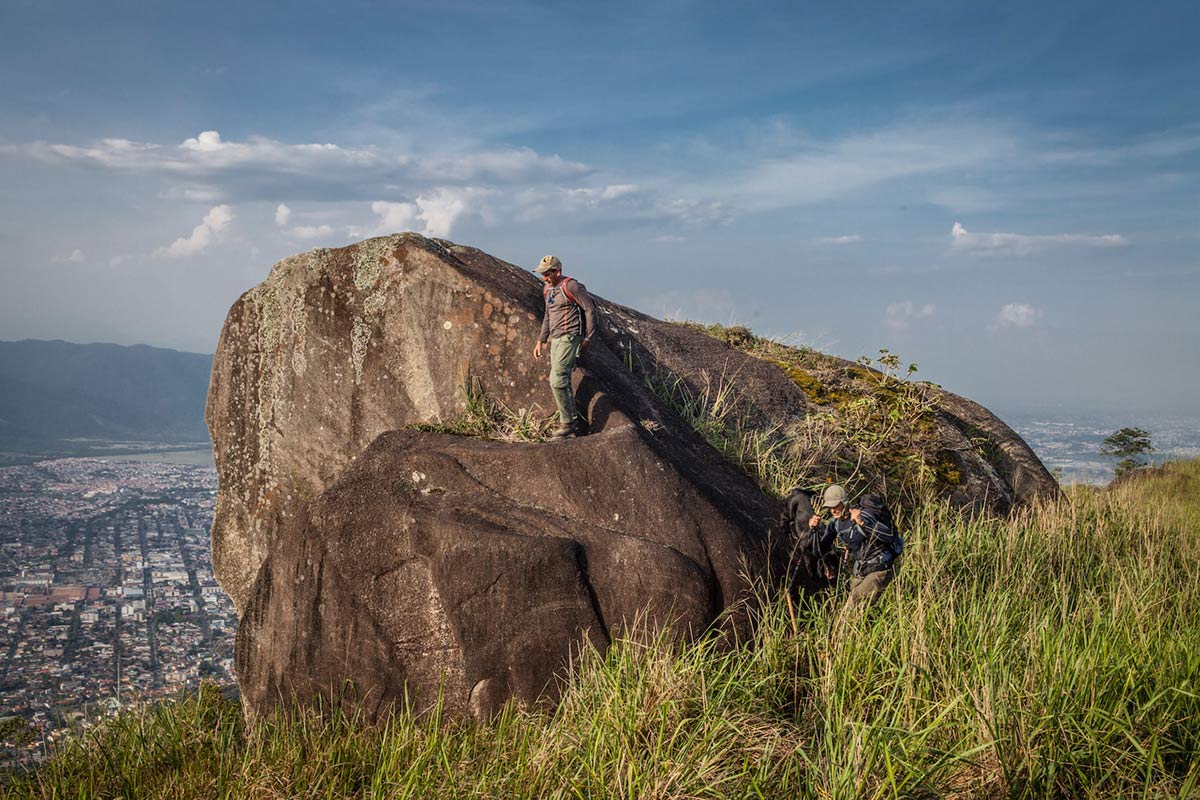
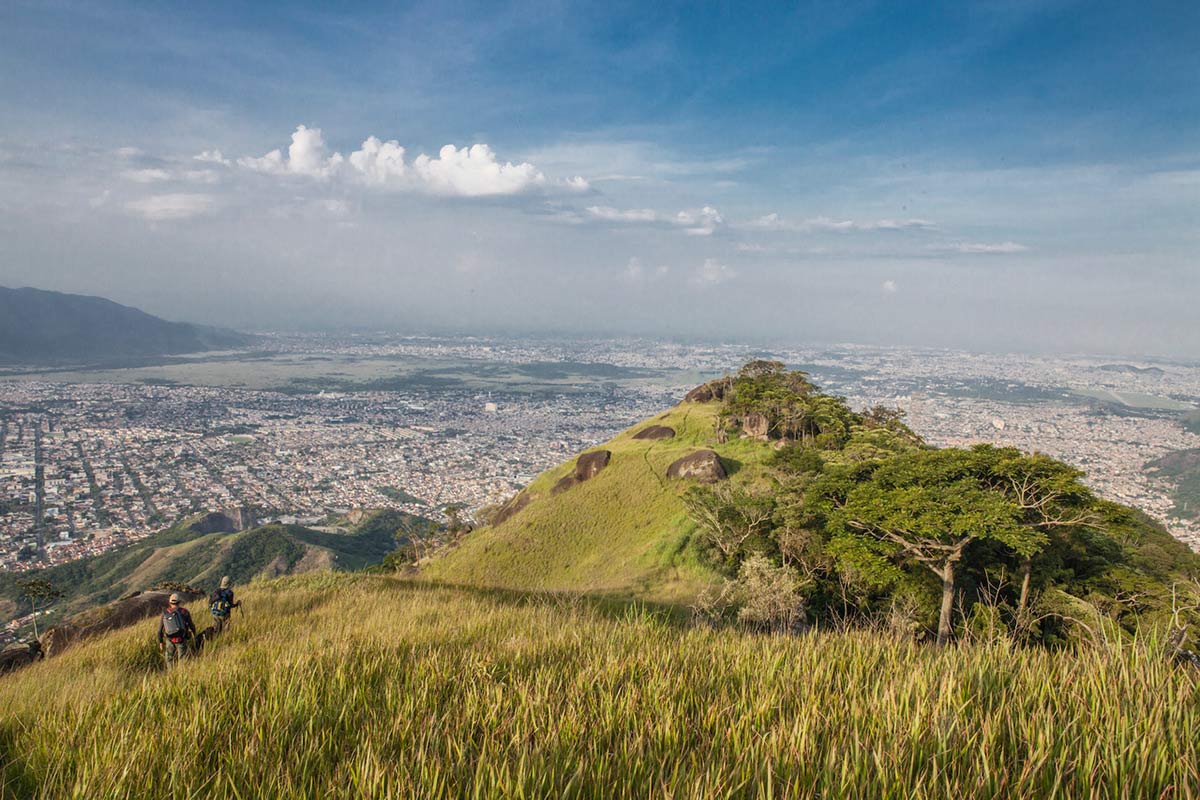
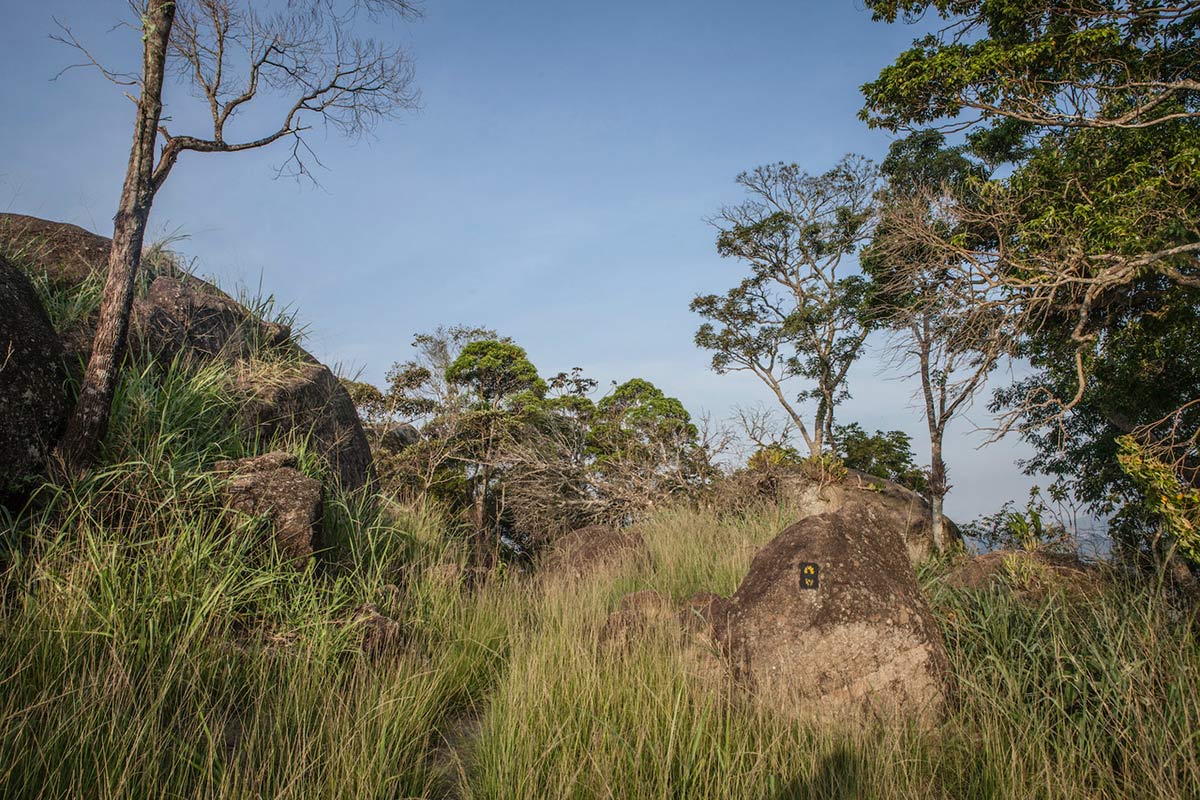
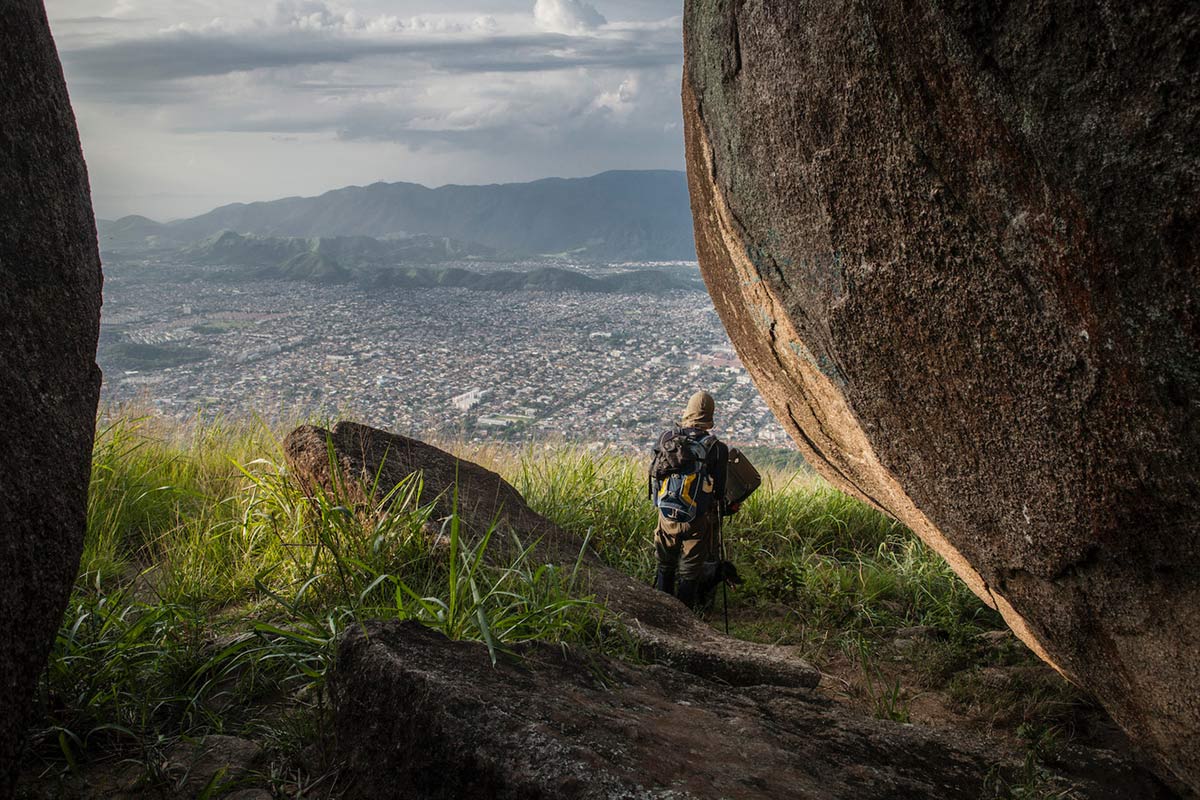
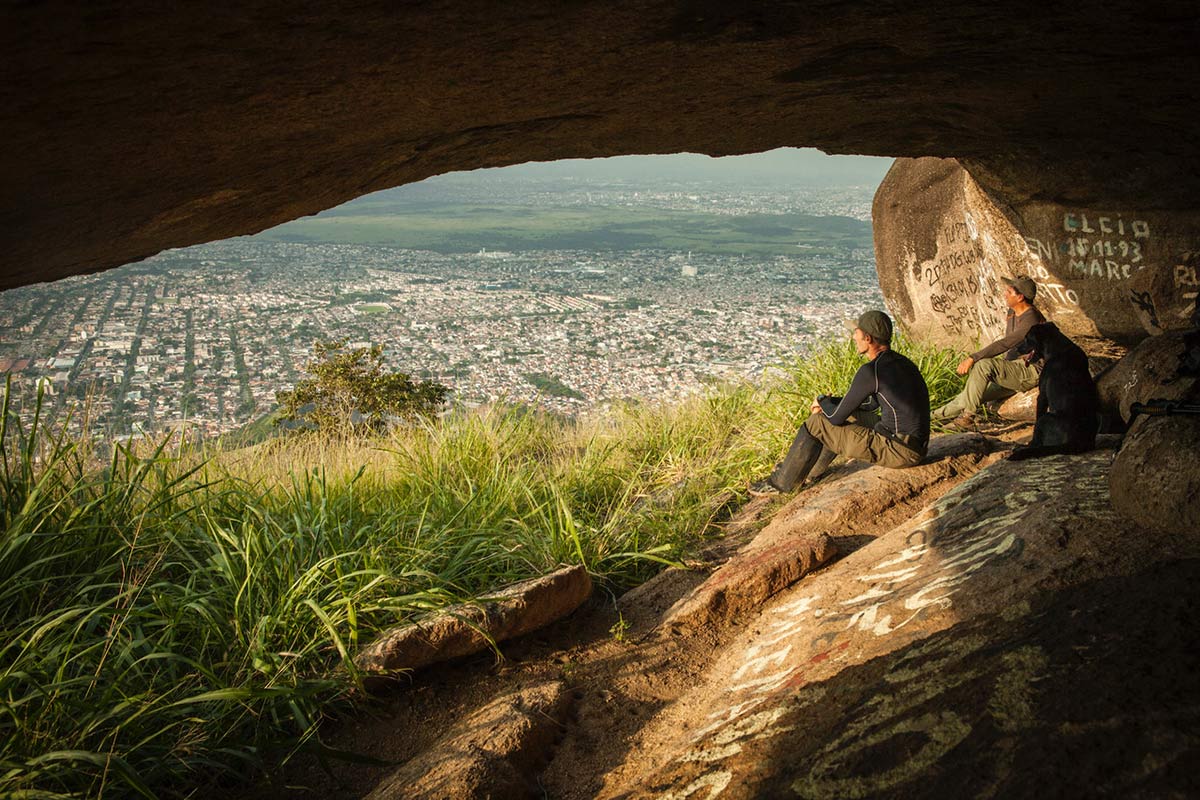
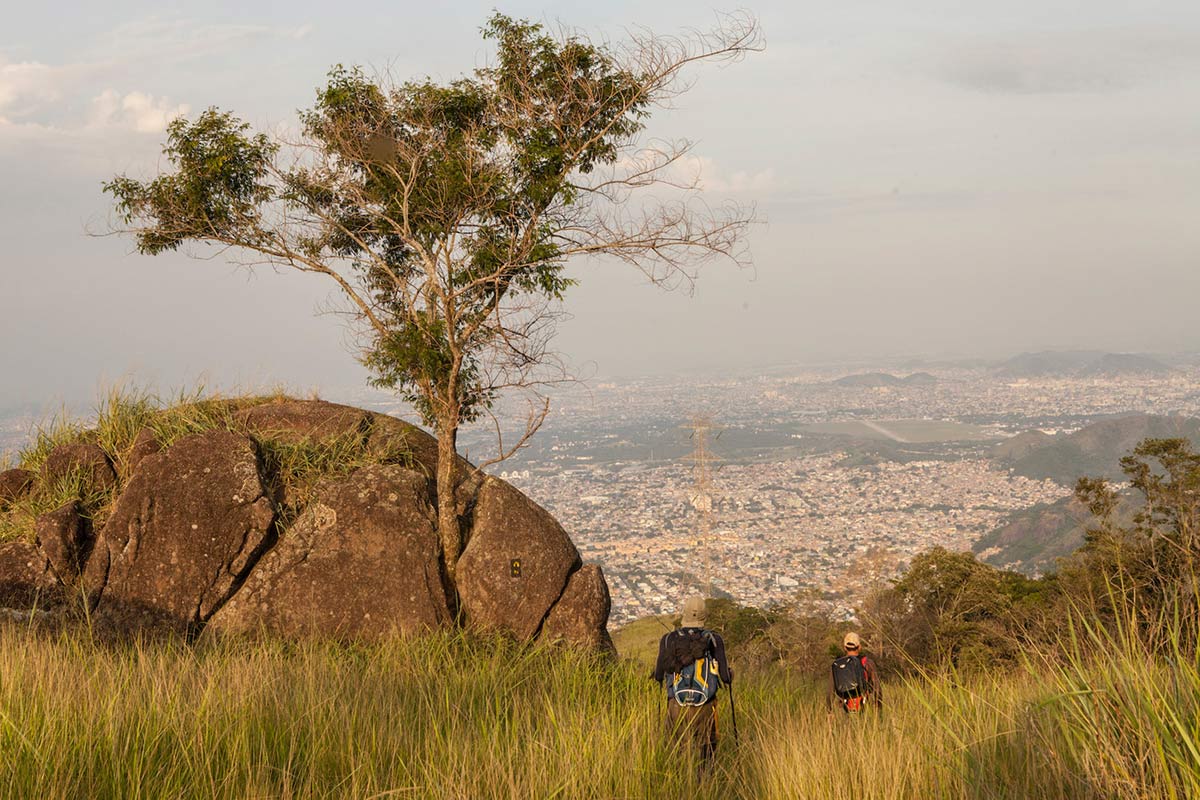
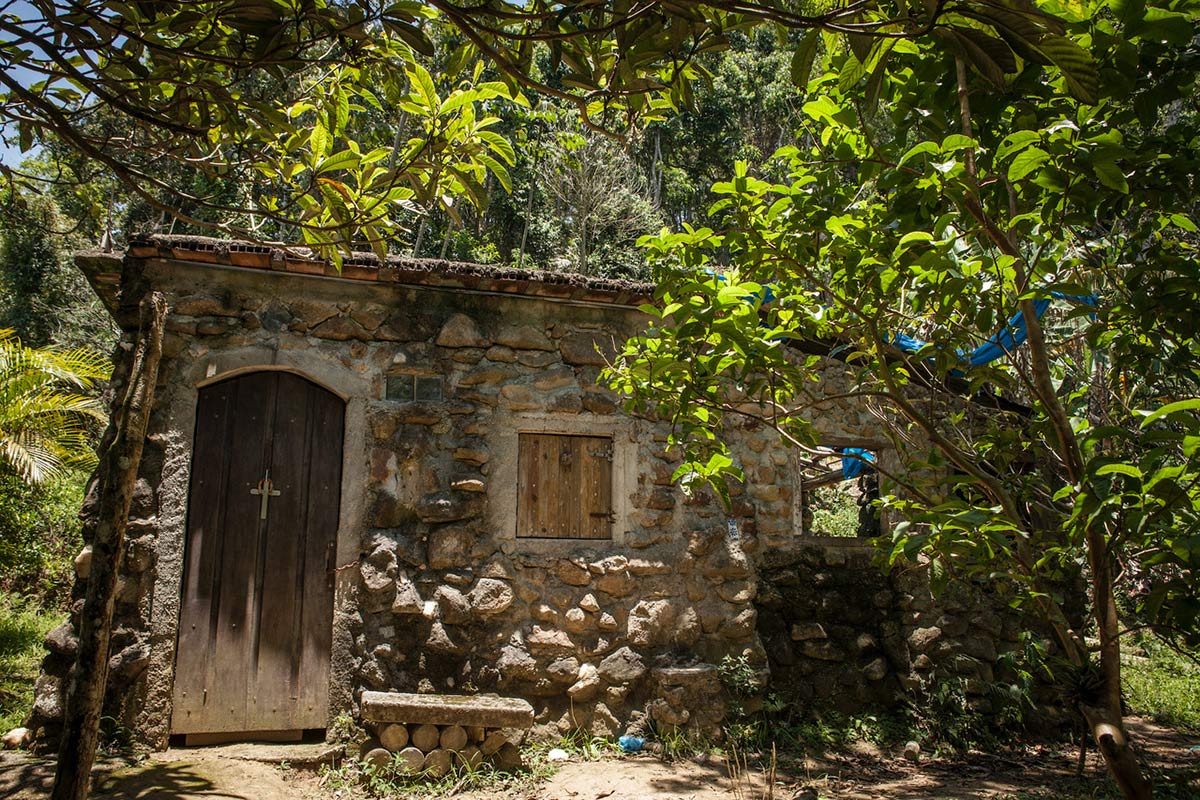
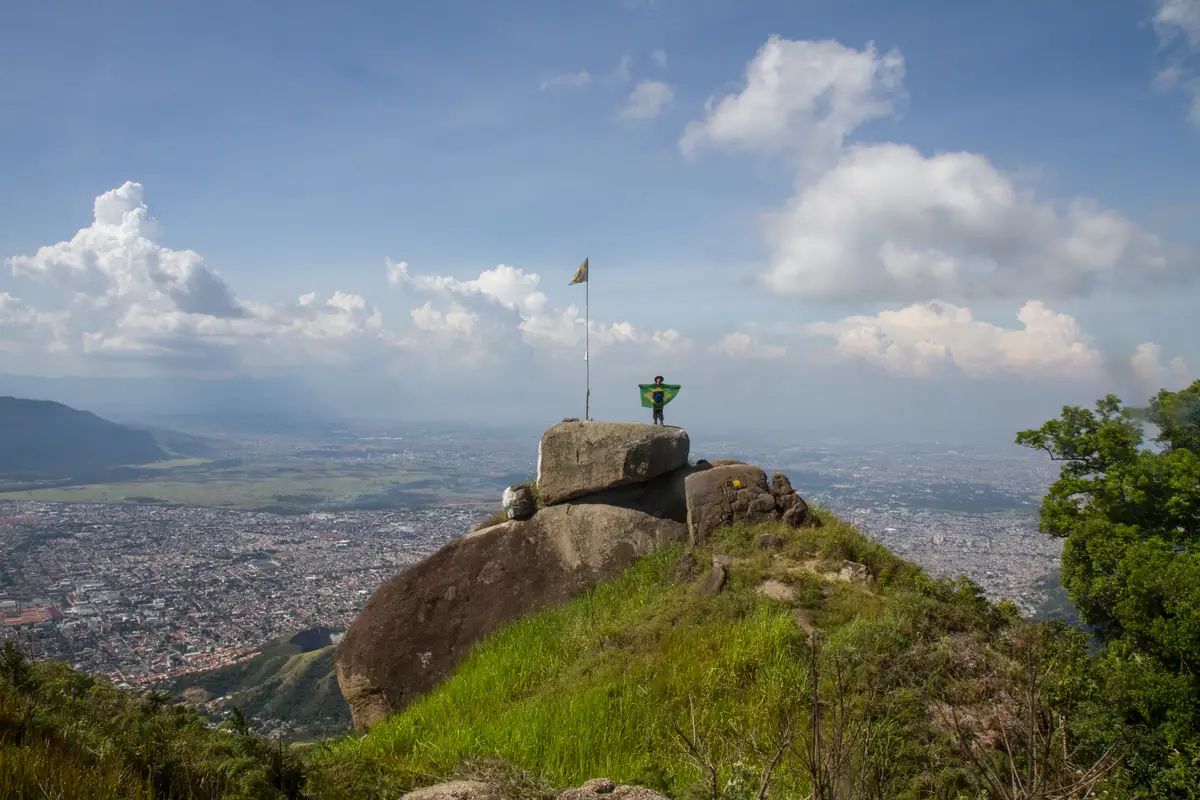
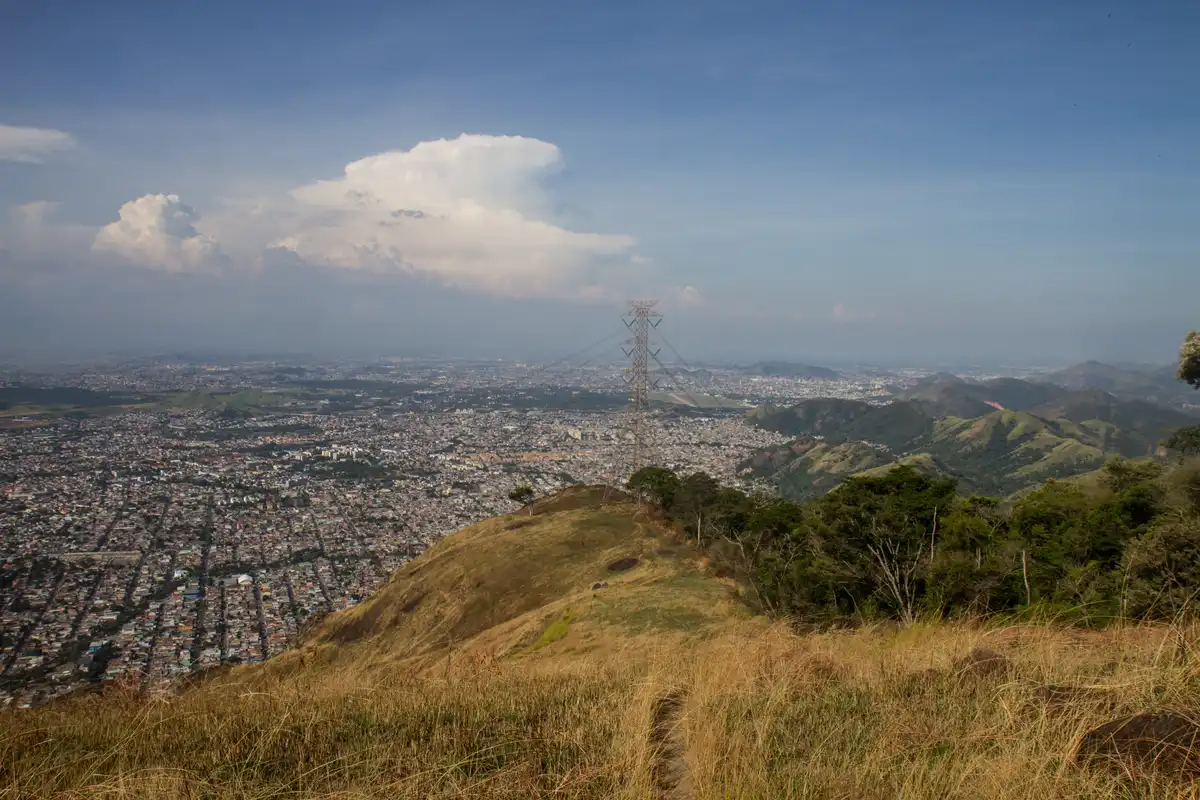
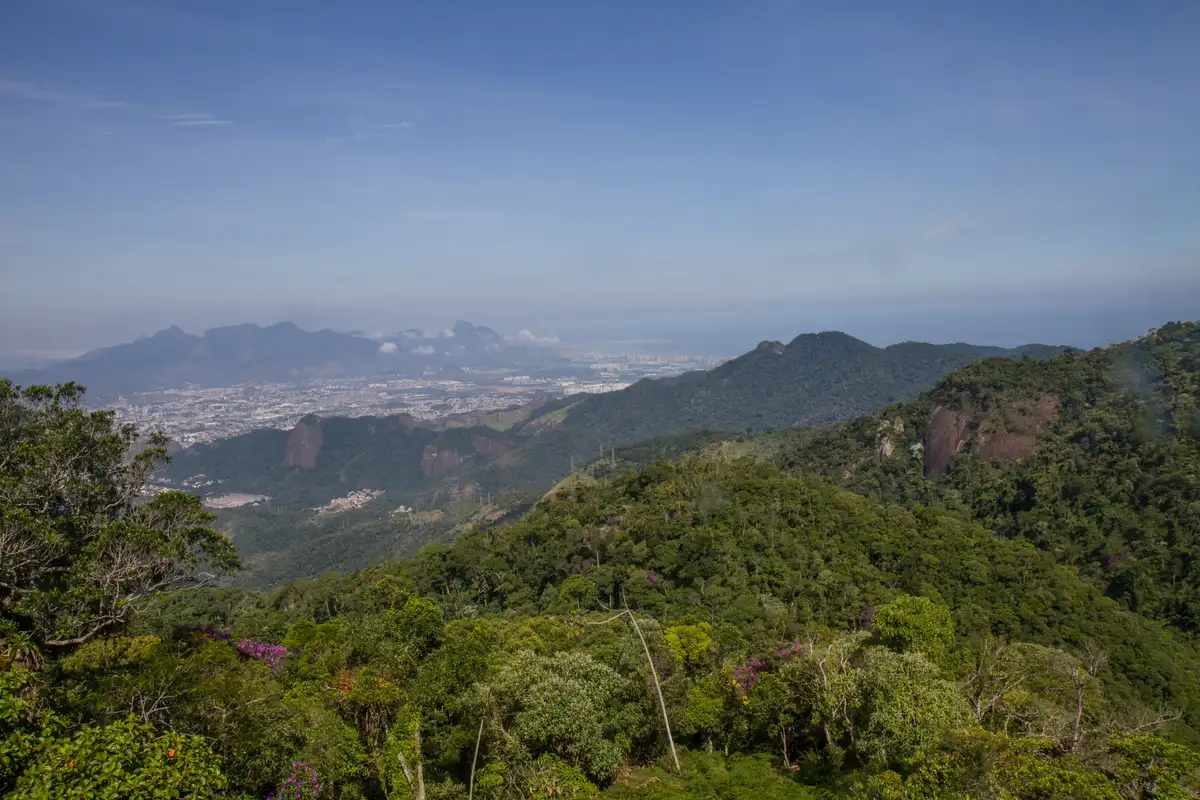
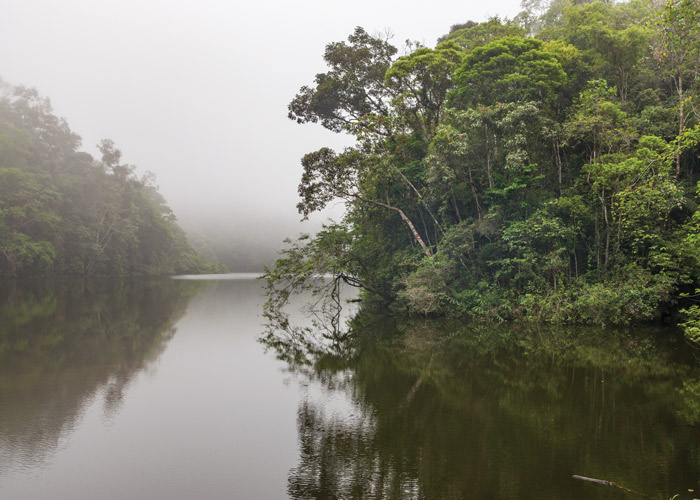
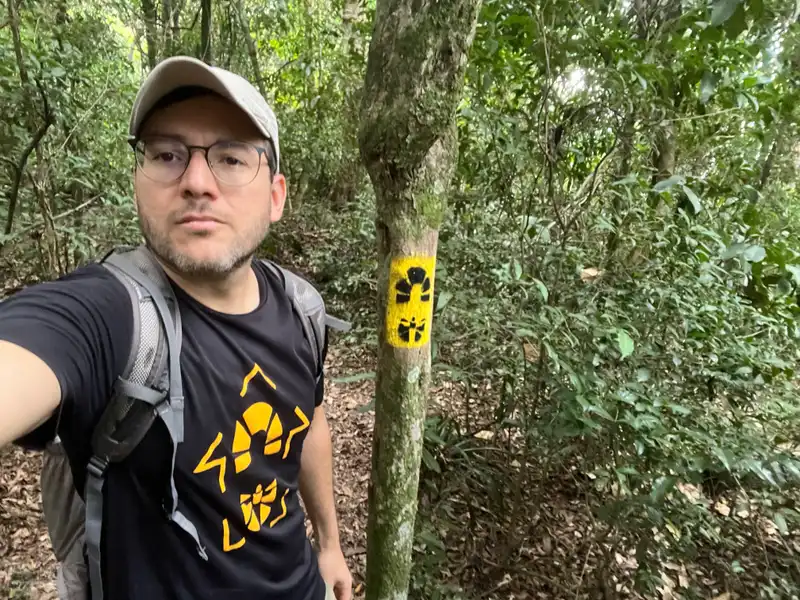
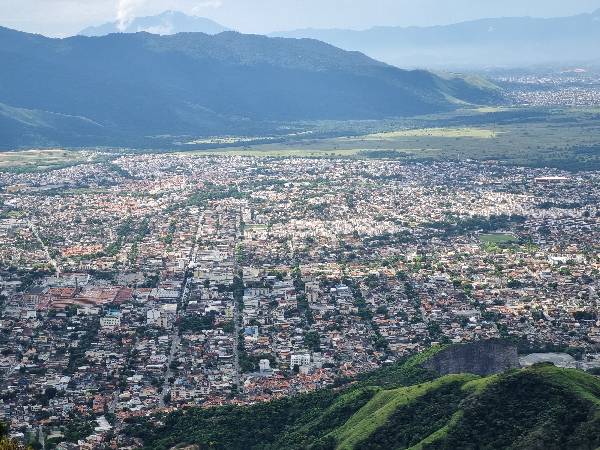
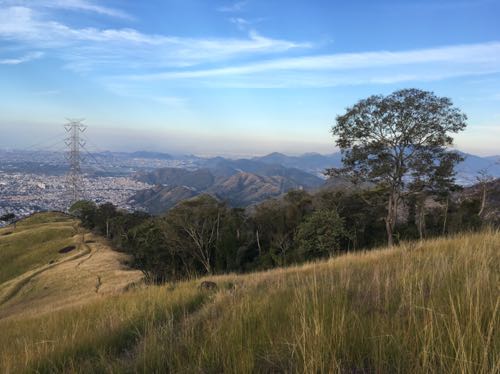
Good physical preparation and some experience on trails are recommended, as this section is technical and considered one of the most challenging of the Transcarioca Trail. The reward, however, lies in the stunning landscapes and the diversity found along the way, which passes through forests, rivers, pastures, rocky sections, rural areas, and roads. At both ends of the route, there is good infrastructure at the bases, ideal for starting or ending your hiking day, with access to water, restrooms, and information. Among the main attractions are the viewpoint at Estrada de Furnas and Pedra do Ponto, an icon of the Pedra Branca State Park, from where you can see the Restinga da Marambaia and the neighborhood of Realengo. Another must-see is the Barata Aqueduct, which, at the height of the tree canopies, provides a unique experience of contact with the forest, especially for birdwatching. Along the route, you can observe the largest population of pau-brasil (Paubrasilia echinata) in the municipality of Rio de Janeiro — a threatened species that occurs naturally in the Atlantic Forest and finds an important refuge here. Historical richness is also present. At the Pau da Fome base, there are structures listed as historical heritage, such as old reservoirs and a beautiful aqueduct system. Near the Piraquara River, you can learn about the old water collection system that supplied the region. To make the most of your hike, bring plenty of water, wear appropriate footwear, and don’t forget sunscreen in open areas. Pay attention to the signage to ensure safety and stay on the trail.
Activities

Guidelines
 Extension: 11.7 Km
 Difficulty Hard
 Orientation Hard
 Signaling Level Partial
 Conservation Bad
 Risk Exposure Medium
 Sun Exposure Medium
 Hydration Point Available
 Climbing No climbing required
 Minimum Altitude: 90m Maximum Altitude: 932m
 Negative Unevenness: 1059m
 Positive Unevenness: 1029m
Attractions that the trail offers
 Visitor Center
 Fauna
 Viewpoints
 Ruins
Trecho 07 - Pau-da-Fome x Piraquara is a segment of the following Long-Distance Trail

The trail is located in the following protected area


Tips
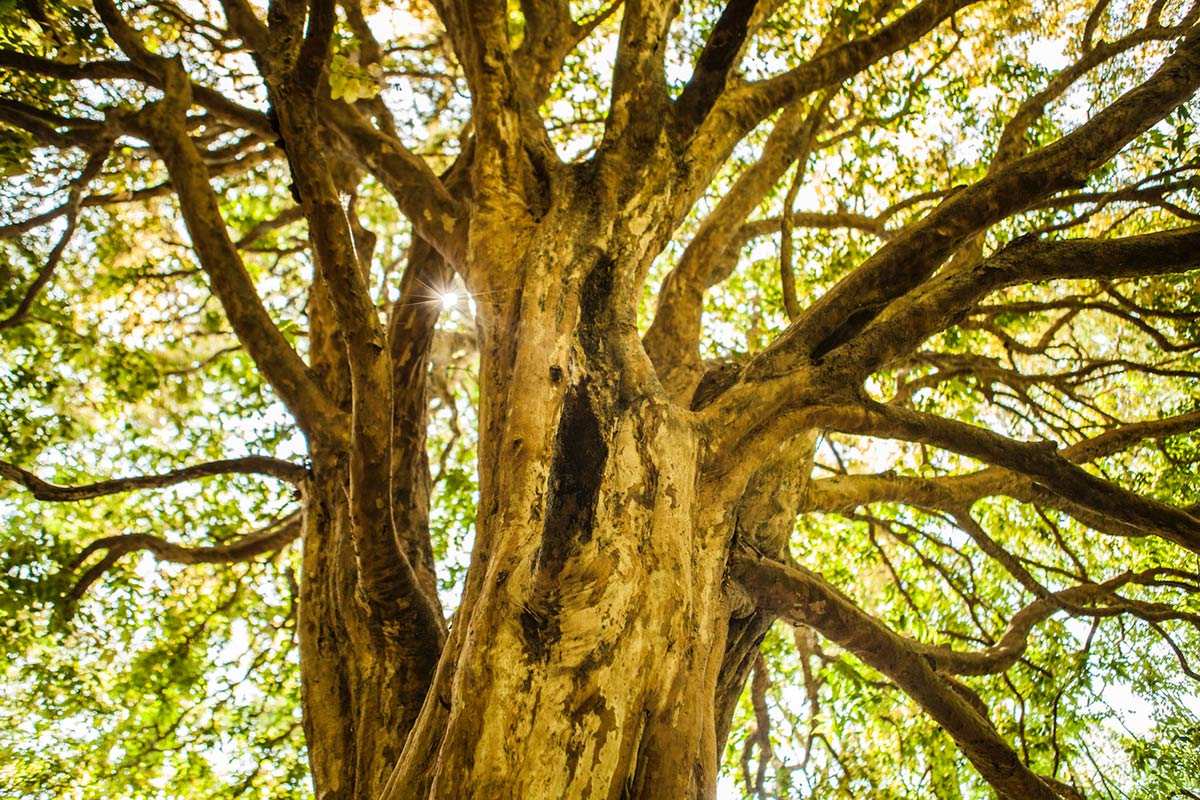
The largest population of native brazilwood (Paubrasilia echinata) in the municipality of Rio de Janeiro was recently discovered in the Piraquara area. This species, a national symbol and endangered, usually occurs in drier areas. The site's shallow, well-drained soil offers ideal conditions for its growth, although until then there had been no records of the species in this region. The find is especially relevant because Piraquara holds the largest fragment of dry forest in the entire Parque Estadual da Pedra Branca. This area was preserved thanks to the source of the Rio Piraquara, which ensured the conservation of the vegetation even amid the intense degradation of the park's northern slope. While much of the region suffered from clear-cutting of the forest, the river valley remained protected because of its vital importance for the water supply. In addition, the section is monitored by the Projeto Fauna Transcarioca, which carries out continuous monitoring of the local wildlife. In 2023, a remarkable record marked the region: the presence of the southern tiger cat (Leopardus guttulus), a threatened wild cat species that has been monitored ever since. The project has already counted 21 species of non-flying mammals, reinforcing the importance of preserving this unique environment to maintain biodiversity. Meliponaries at the headquarters At both headquarters you can visit meliponaries, spaces dedicated to observing various species of stingless bees — insects essential for pollination and for maintaining our forests. These spaces were set up by the Trilha Transcarioca, which ensures their management and upkeep through the Natureza Doce – Pelas Trilhas das Abelhas sem Ferrão project, an initiative focused on conserving these species that are so important for biodiversity. Flora of the section Besides the brazilwood, recently discovered in great abundance in the region, you can find other species of great importance to the Atlantic Forest. Among them are the imposing jequitibá-rosa and jequitibá-açu, true giants of the forest. Also notable are the majestic fig trees and the guarajuba, a highly threatened species that finds an important refuge for its conservation in this fragment.
Warnings
Map
Guidelines
Extension: 11.7 KmDifficulty: HardOrientation: HardSignaling Level: PartialMinimum Altitude: 90m Maximum Altitude: 932m Negative Unevenness: 1059m Positive Unevenness: 1029m