Trilha da Pedra da Gávea
Description
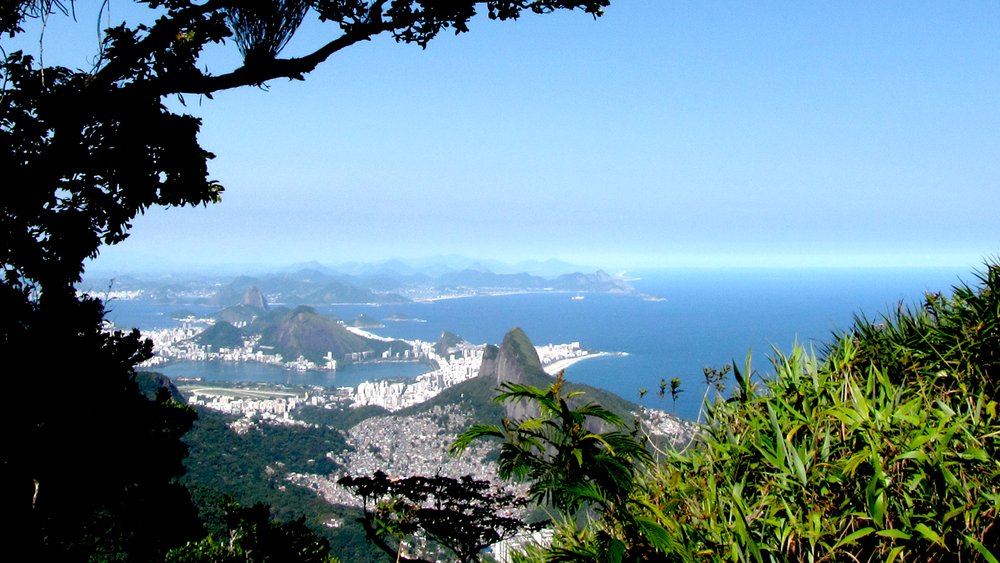
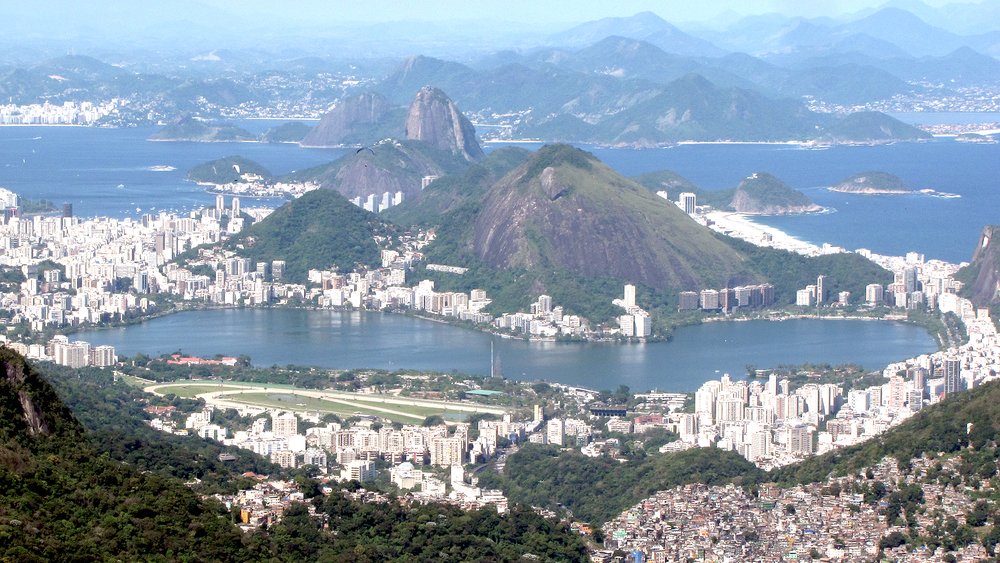
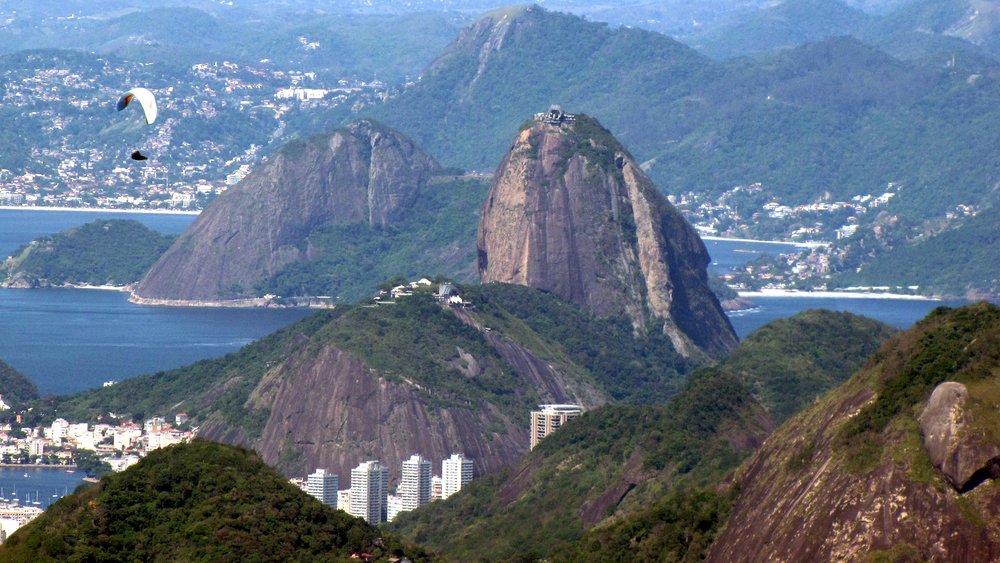
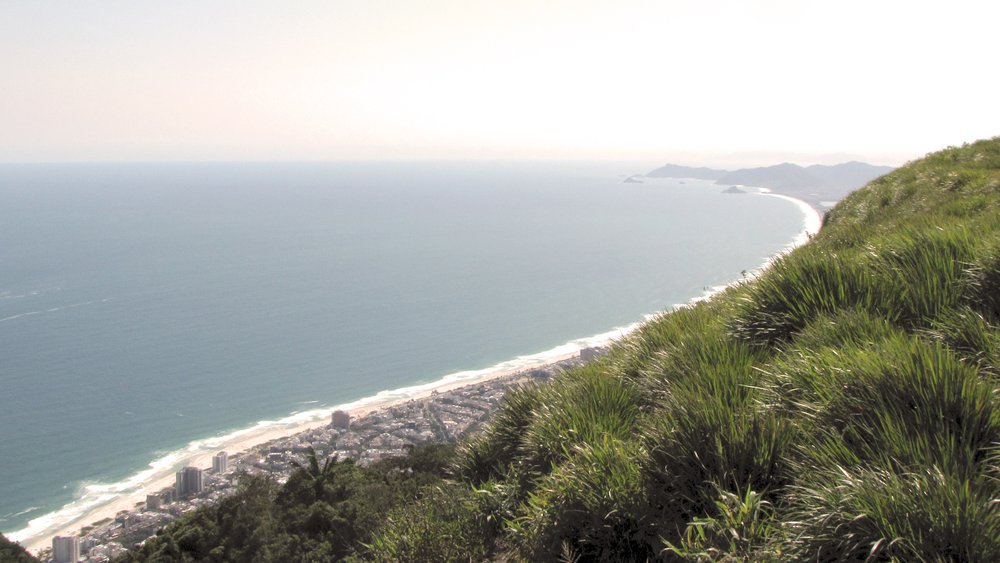
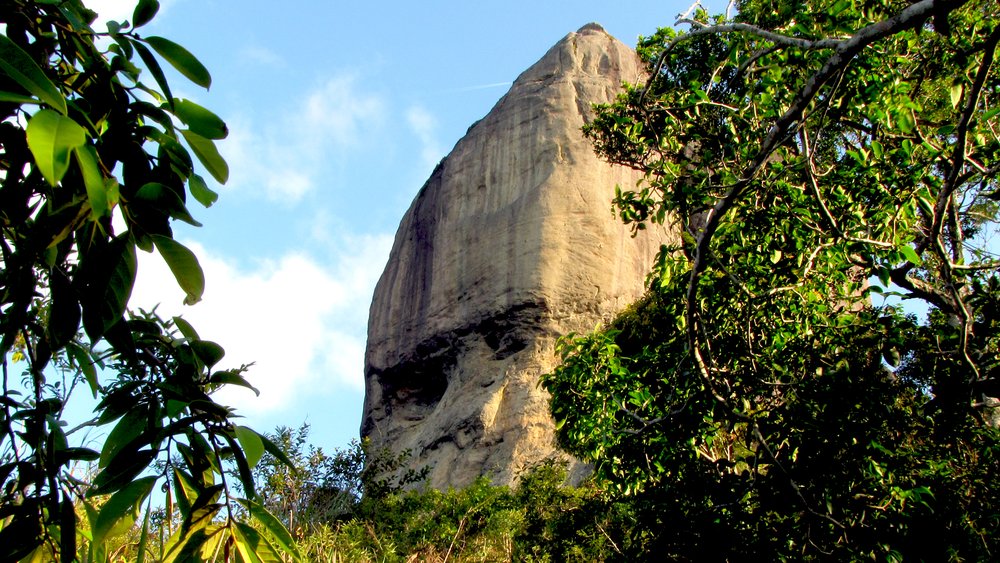
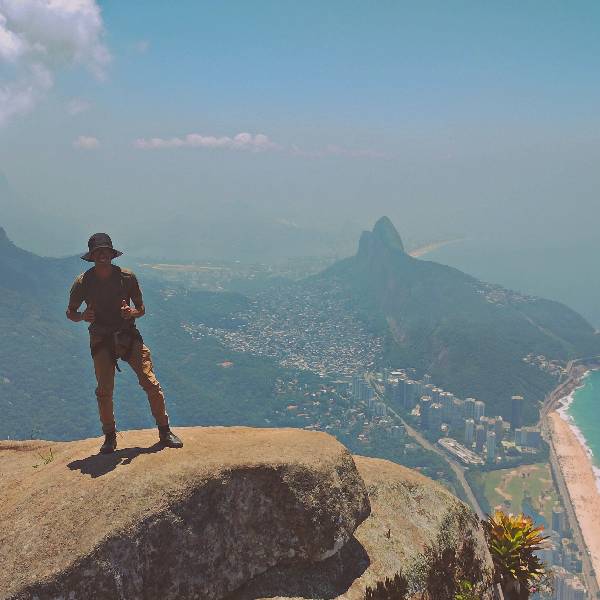
Pedra da Gávea is the largest seaside rock block in the world, named for its resemblance to the gávea, a basket for observation located on the mast of Portuguese caravels. Known as the Emperor's Head, the side of the rock opposite the sea resembles a face, which is why it was called "Metaracanga" by the indigenous people, meaning the adorned head. The 842m height of Pedra provides a stunning view of the entire Carioca coastline, between the South Zone and the West Zone, and allows for observation of the mountains of the Tijuca Forest. The trail to Pedra da Gávea is the one that gathers the most legends. The first emerged in the 19th century when a group of researchers from the IHGB (Brazilian Historical and Geographic Institute) found marks on the rock, interpreted as remnants of ancient Phoenician inscriptions. The inscriptions were even translated, and the site was presented by some as the ruins of a sphinx. Additionally, some argue that Pedra da Gávea is a portal to other dimensions, an entrance to underground cities, and a site for UFO visits. Despite so many legends, it is worth noting that erosion is a much more reasonable explanation for the Emperor's Head and the marks on the slopes of the mountain.
Activities

Guidelines
 Extension: 3 Km
 Difficulty Hard
 Orientation Moderate
 Signaling Level Complete
 Conservation Good
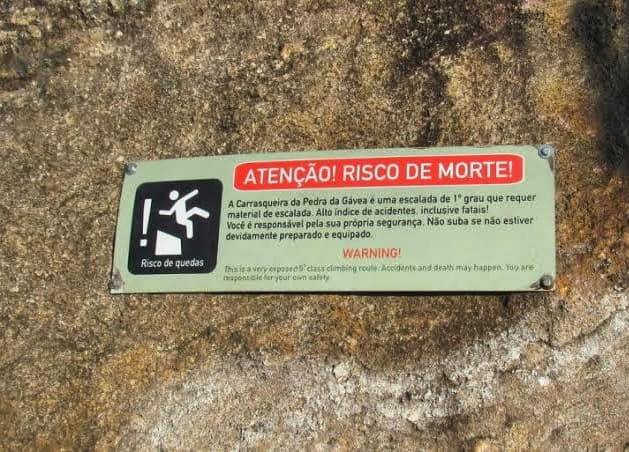
 Risk Exposure High
 Sun Exposure Medium
 Hydration Point Unavailable
 Climbing There is
 Minimum Altitude: 0m Maximum Altitude: 842m
 Negative Unevenness: 687m
 Positive Unevenness: 769m
Video
Attractions that the trail offers
 Fauna
 Viewpoints
The trail is located in the following protected area




Tips
The Pedra da Gávea is in the Parque Nacional da Tijuca, in its Sector C. Open every day, from 8 a.m. to 5 p.m. It is a tough and demanding trail, and for beginners and/or inexperienced hikers, it is recommended to go with experienced tour guides. A minimum level of physical fitness is required.
Warnings
Map
Guidelines
Extension: 3 KmDifficulty: HardOrientation: ModerateSignaling Level: CompleteMinimum Altitude: 0m Maximum Altitude: 842m Negative Unevenness: 687m Positive Unevenness: 769m